Transform Your Space: Clever Ways to Apply Sliding Doors in Contemporary Interior Design
Sliding doors have become a functional yet elegant option in contemporary home design. They provide versatility in how space is used, allowing homeowners to create distinct areas without giving up a sense of spaciousness. Their varied styles and finishes can enhance any decor. However, the potential applications of sliding doors go beyond mere aesthetics. Understanding how to effectively incorporate them could transform a home's functionality. What creative applications might homeowners uncover?
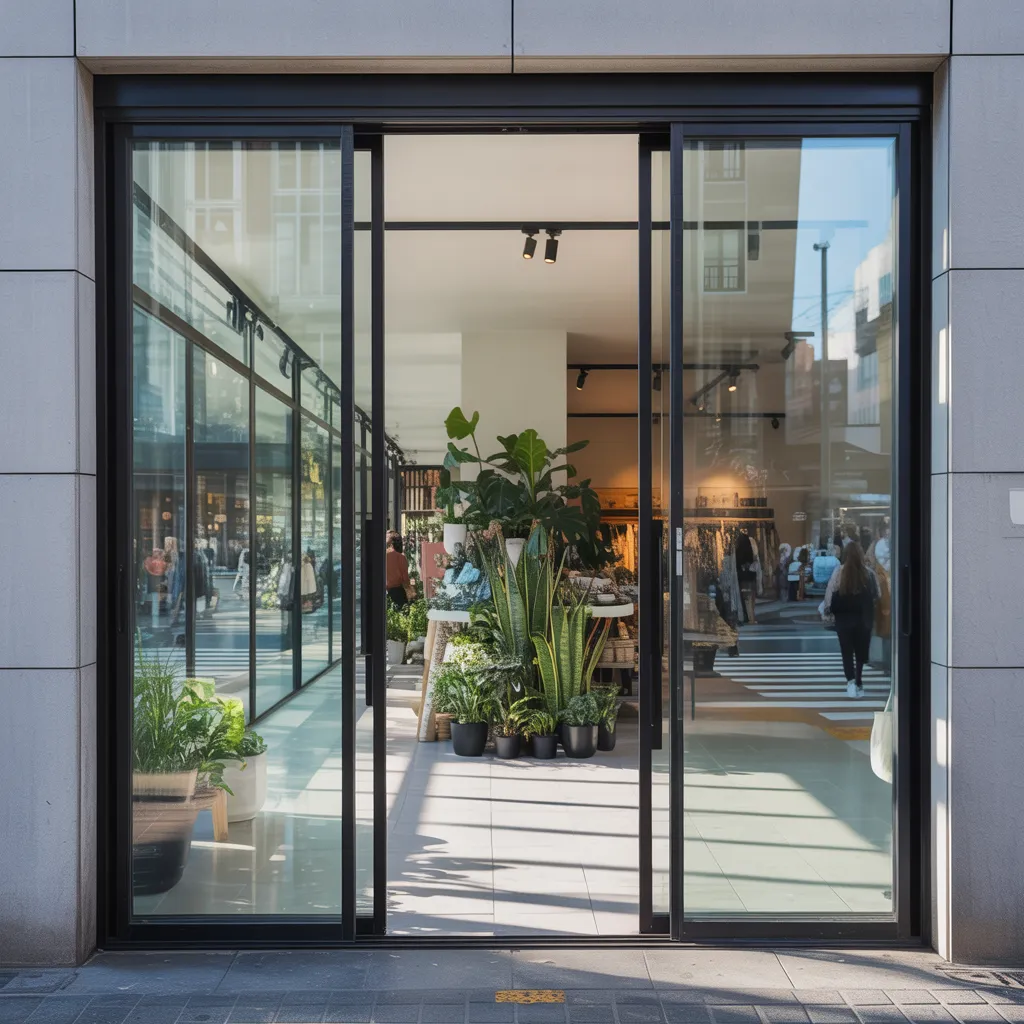
Picking the Ideal Sliding Door Style for Your Home
When selecting a sliding door design for a home, homeowners should evaluate both aesthetics and functionality. The selection of material is extremely important; options such as wood, glass, or metal can significantly impact the overall appearance and atmosphere of a space. For a modern aesthetic, minimalist glass doors may offer a sophisticated element, while wooden doors can evoke warmth and a rustic charm.
Additionally, the door's configuration is essential. Single-panel, double-panel, or pocket sliding doors each offer distinct advantages, based on the room's layout and size. Homeowners must also take into account the finish and color of the door, ensuring it complements existing décor while providing a cohesive design.
Finally, energy efficiency plays a vital role; opting for insulated choices can aid in sustaining pleasant indoor temperatures. By balancing style with practical needs, homeowners can improve their living areas by selecting the ideal sliding door.
How to Optimize Natural Light Through Sliding Doors
Enhancing natural light through sliding doors can completely change a room, resulting in a bright and pleasant ambiance. To achieve this effect, homeowners should consider installing large glass sliding doors that allow ample sunlight to flood in. Opting for frameless designs can further enhance this openness, minimizing barriers to light flow.
Positioning sliding doors deliberately, such as opening toward a backyard or terrace, optimizes the link between indoor and outdoor environments. Moreover, integrating bright surfaces, for example mirrors or light-colored furnishings, can amplify the illumination brought in by the doors.
Choosing sheer or light-filtering curtains can copyright privacy while still enabling sunlight to filter through. Moreover, selecting sliding doors that extend fully clears away obstacles, thereby maximizing the spatial and aesthetic qualities. By thoughtfully evaluating design elements and placement, sliding doors can act as an elegant channel for natural light, elevating the overall environment of any indoor setting.
Perks of Using Sliding Doors as Room Dividers
Sliding doors serve as practical room dividers, optimizing space in various interior layouts. They allow for versatile setups while maintaining an open feel, enhancing the overall flow of a room. Moreover, these doors boost natural light distribution, delivering a brighter and more appealing space.
Space Optimization Perks
Employing sliding doors as room dividers transforms spaces by elevating both functionality and aesthetics. These doors offer a versatile solution for maximizing space, enabling areas to be reorganized easily according to needs. Unlike traditional doors, sliding doors do not need swing space, making them well-suited for smaller rooms where every inch is valuable. This feature enables more efficient use of available floor space, accommodating furniture arrangements that might otherwise be challenging. Additionally, sliding doors can create distinct zones within open-concept areas, providing privacy when needed while retaining an airy feel. Their flexibility facilitates seamless transitions between spaces, leading to a more efficient and efficient environment, ultimately elevating the overall living experience.
Amplified Natural Light
Natural light plays an essential role in enhancing the ambiance of interior spaces, and sliding doors serve as an effective means to useful tips amplify this element. Through the use of sliding doors as space dividers, homeowners can establish a continuous flow of light across rooms, reducing the need for artificial illumination. These glass-constructed doors permit sunlight to travel deeper within the home, lighting up even the most shadowed spaces. Additionally, they offer flexibility in design; when opened, they create an expansive feel, making spaces appear larger and airier. This flexibility not only boosts natural illumination but also encourages a bond with the natural surroundings, drawing the outside world into the interior setting. Ultimately, sliding doors can transform how light interacts within a home.
Sliding Doors for Enhanced Privacy
Although many homeowners value openness in their living areas, incorporating sliding doors can greatly enhance privacy without sacrificing style. These versatile features allow for the creation of secluded areas within an otherwise open floor plan. For instance, sliding doors can effectively separate a home office from the main living area, providing a quiet retreat for work or study.
Moreover, textured or frosted glass selections can provide visual discretion while still allowing light to permeate the space. This combination of discretion and illumination is especially beneficial in urban spaces, where noise and visual distractions are prevalent. In addition, sliding doors can effectively conceal laundry areas or storage rooms, preserving a clean and organized look throughout the home. By strategically incorporating sliding doors, homeowners can embrace the dual advantages of seclusion and sophistication, creating inviting and functional spaces that adapt to their needs.
Creative Locations for Sliding Doors in Your Home
Sliding doors may be thoughtfully positioned in multiple areas across a home to enhance both functionality and aesthetics. In open-plan living areas, they act as smooth partitions, permitting versatile space configurations while keeping the space feeling expansive. Placing sliding doors between the lounge and dining space can enable convenient reconfigurations during entertaining.
For bedrooms, sliding doors can offer access to closets or en-suite bathrooms, making the most of available space and keeping clutter to a minimum. They are also able to open onto outdoor patios, blurring the lines between indoor and outdoor living.
Additionally, they can be integrated into home offices, offering privacy when needed, yet easily retracting to support collaboration. As a final point, incorporating sliding doors in hallways can establish stylish storage solutions or reading nooks. All of these areas elevates both the utility and visual appeal of a home, highlighting the flexibility of sliding door options.
Care Tips for Long-Lasting Sliding Doors
To ensure sliding doors remain in good working condition and looking their best, routine upkeep is necessary. Setting up a regular cleaning routine reduces the accumulation of grime and particles, while routine checks of the rollers can identify potential issues before they escalate. Following these steps promotes the longevity and smooth operation of sliding doors in any space.
Consistent Cleaning Schedule
A structured cleaning schedule is crucial for preserving the functionality and aesthetics of sliding glass doors. Routine dusting prevents dirt accumulation, which can cause scratches and reduce aesthetic value. Applying a soft cloth and light detergent, one should wipe down the glass and frame each week to guarantee a pristine appearance. Furthermore, care should be given to the door tracks, as buildup can hinder smooth operation; a vacuum or brush can effectively clear this area. It is equally important to look for traces of dampness or mildew, especially in humid environments, and resolve these issues quickly. By following this maintenance schedule, homeowners can extend the lifespan of their sliding doors while preserving their aesthetic appeal and functionality.
Inspect Rollers Periodically
Consistently checking the rollers of sliding doors is essential for ensuring smooth operation and longevity. These components are fundamental for the door's functionality, and any wear or damage can lead to operational issues. It is advisable to check for debris, dirt, or rust that may obstruct proper operation. Additionally, evaluating the orientation of the rollers can prevent further complications, such as improper positioning or sticking. If any irregularities are detected, addressing the roller replacement quickly can reduce costs and effort for subsequent maintenance. Treating the rollers with lubricant with suitable solutions can also boost their efficiency and increase their longevity. By adopting this easy care routine, homeowners can appreciate the visual and practical advantages of sliding doors well into the future.

Frequently Asked Questions
Can Sliding Doors Be Used in Small Spaces Effectively?
Sliding doors can be effectively used in small spaces, as they demand no rotational clearance, optimizing the available floor space. Their adaptable nature enables creative partitioning and enhanced natural light, creating an open and spacious feel.
What Are the Best Materials for Sliding Doors?
Glass, wood, and metal serve as excellent materials for sliding doors, each offering unique aesthetics and functionality. Wood provides warmth, glass promotes better light distribution, and metal adds durability, accommodating a wide range of design preferences and spatial needs.
How Do Sliding Doors Affect Home Resale Value?
Sliding doors may greatly improve home resale value by improving visual appeal, maximizing space utilization, and boosting natural light. Prospective buyers commonly seek modern upgrades, causing homes featuring sliding doors to stand out in highly competitive housing markets.
Are Sliding Doors Energy-Efficient?
Sliding doors can be energy-efficient when installation and insulation are done properly. The expansive glass panels allow natural light to enter, but premium materials and proper seals are vital to limit heat transfer, improving the overall energy efficiency of a home.
Am I Able to Install Sliding Doors by Myself?
Indeed, you can carry out sliding door installation on your own, given that one has essential woodworking abilities and the necessary tools. Even so, consulting the manufacturer's directions and ensuring proper measurements is crucial for a successful installation and ideal functionality.